There's A Reason Why The Most Common Wood Stove Burning Debate Could Be As Black Or White As You Think
The Advantages of Wood Stove Burning Wood stove burning is an ideal heat source for those who want to keep their home warm and cosy. But, there are a few important things to keep in mind prior to starting a fire. All wood stoves require constant air flow to generate heat and fuel. This is controlled by adjustable dampers on the stove's door and in the flue pipe which leads to the chimney. Warmth Stoves heat your home using convection, in contrast to central heating that is pumped through ductwork to be distributed throughout the house. They can also produce radiant heat. However it is usually colder than convection heating because the warmth is absorbed into a solid surface, instead of dispersing into the air. A wood stove burns firewood to produce warm, radiant heat which can provide a lot of warmth to a space within a short amount of time. The type of wood and how it is seasoned may affect the efficiency of your stove. Hard woods like hazel, birch, oak and hazelnut take longer to burn, but they generate a long-lasting, even heat. These are great for heating your home because they have an energy density that is high. Soft woods like spruce and fir have less energy density, which means that they burn faster and emit more carbon dioxide. Modern wood-burning stoves often have turn dampers installed in the interior portion of the pipe that leads to the chimney. The dampers can be rotated to regulate the amount of heat absorbed within your home by regulating the speed at which combustion gases leave your stove. It is important to note that a wood stove needs more maintenance than other heating options. Before you can burn the wood, you'll need to cut it up and split it before stacking it. You'll have to replenish the stove when it is running out of fuel, and you'll be required to clean the ash regularly. Also, you must make sure that the stove is able to draw enough air to be able to burn. In accordance with the zoning regulations in your area, as well as how you maintain your stove, you might have to address smoke pollution. Many towns use regulations for zoning to regulate outdoor burning and limit visible smoke and odors, as well as soot. The Department of Environmental Protection (MassDEP) additionally has regulations that control outdoor burning equipment and restrict opacity. Aesthetics A wood stove can bring an original look to your home. The warm glow of the flames that are licking dried logs brings a feeling of warmth and comfort. They're a wonderful addition to any room in the home and look stunning when paired with vintage and rustic decor. They are a great choice in the event of power outages as they provide radiant heating. They are also a great way to save money and reduce carbon emissions. Burning locally harvested and well-seasoned firewood in a modern wood stove can save you money on heating oil. Furthermore, using wood for burning aids in the active management of woodlands which benefits wildlife and local communities. When selecting a wood stove, be sure to consider its energy efficiency. Modern wood stoves should be able to attain more than 80% efficiency. This means that they burn more efficiently and emit less smoke. Choose a model that has secondary, heat-retaining glazing as well as advanced combustion systems like catalytic or non-catalytic. It is also essential to maintain proper clearances between the stove and any combustible material such as curtains or furniture. Examine best wood stove of the manufacturer to ensure that it is safe and efficient. Certain stoves are designed to be installed into existing fireplaces while others are freestanding and can be moved if necessary. Whatever stove is chosen, it's important to ensure it has the necessary safety features. They include the shut-off system and venting system that will stop gas from escaping into your home. The Scan 83-2 from Danish brand Scan is an elegant and contemporary wood burner that fits into any style. Its minimalist style and elegantly rounded design and a lack of unnecessary details give it a simple but sophisticated appeal. This contemporary wood-burning stove comes with an aluminum handle, moldings, soft-close doors and a curved panel to provide a clear view of the flames. It is available in black or gray, and is suitable for indoor or outdoor use. It comes in a variety of sizes to suit various rooms and spaces, including large living spaces and modern patios. Cosy atmosphere Wood stove burning has a cozy atmosphere that can be much warmer than forced air heating. Besides the warmth from the fire itself, there is also radiant heat from the metal body of the stove that warms the room. In addition, the smell of burned wood is pleasing to most people. This atmosphere is a major reason why many prefer to use a wood stove instead of central heating. To ensure the proper combustion wood heat requires a great deal of care. A majority of the latest wood stoves come with automated control systems that monitor the flame, and adjust the air required to prevent a poor combustion that results in smoke. The operator (that is you) has a big impact on the efficiency of the stove. Particularly you can hinder the combustion process by closing too many of the air vents. This will not only reduce the efficiency of the stove, but will also increase the release of volatile compounds. 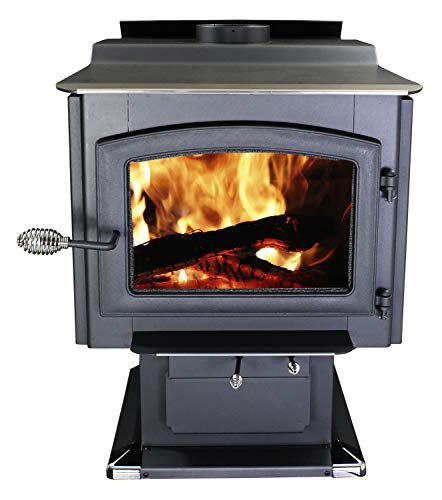 When you start a fire, it is important to keep the vents for air open as wide as they can to provide enough oxygen for the fire. This will prevent the formation of tar or other residues on the heat exchange surfaces. It is also recommended to employ an ash shovel for stoves or a broom to sweep out the ashes after each fire to keep the firebox and grate clean. It's also important to add the wood slowly and to not close the air vents too quickly, as this can create a vortex which will draw the smoke and unburned volatile compounds back into the firebox and then into the room. This will reduce combustion efficiency and cause the fire to burn less fuel and reduce the amount of heat produced. Utilizing a blow pipe to blow air into the flame is a different way to improve combustion and help it spread evenly. It is crucial to remember that blow pipes can be dangerous if they are not used in a safe manner. If they are used close to the flames they can ignite fires that can be difficult to control. This kind of equipment should be left to professionals and those who have experience. Economic The burning and purchase of wood is an environmentally friendly alternative to fossil fuels. It is a renewable fuel and is therefore carbon neutral. Wood stoves are usually constructed with a back boiler that means that the gasses are circulated to heat the water in your home, further reducing energy bills. Modern stoves are more efficient in heating your home. They are efficient in combustion and emit less emissions. They are also smaller, compact and more efficient than fireplaces. This means they are able to radiate more warmth into the room and less heat escapes through the chimney. Many manufacturers use a combination of advanced design and clever engineering to make their stoves eco-friendly. This can be achieved by incorporating features such as firebox insulation, large baffles to create a longer, hotter gas flow, pre-heated air for combustion, and secondary combustion. This permits the combustion to take place at higher temperatures, and reduces harmful pollutant emissions. A high-quality wood stove will be SIA ecodesign compliant and will have passed strict tests to ensure that they emit extremely low levels of pollution. This is important, because the EPA has set strict limits for the amount of pollution a wood burner can emit. Suggested Web site is a symbol of a stove that has met these standards. If you have a large garden and can gather locally grown wood that is untreated and sustainable and wood stoves, then a wood stove can help reduce your carbon footprint and save money on heating. Locally harvested wood supports local woodlands, and promotes active land management. This can have a positive impact on wildlife. It is also possible to build your own wood stove which will save you a lot of money. It is possible due to the availability of scraps recycled wood, reclaimed wood, and DIY kits that can help you build it yourself. You can select between catalytic or non-catalytic wood burning stoves. The former is less expensive and easier to use, while the latter is more expensive but more effective in reducing emissions.